How to Calculate Food for a Funeral Reception
Post Updated On : May 24, 2026, Written By : Fareed Nabir
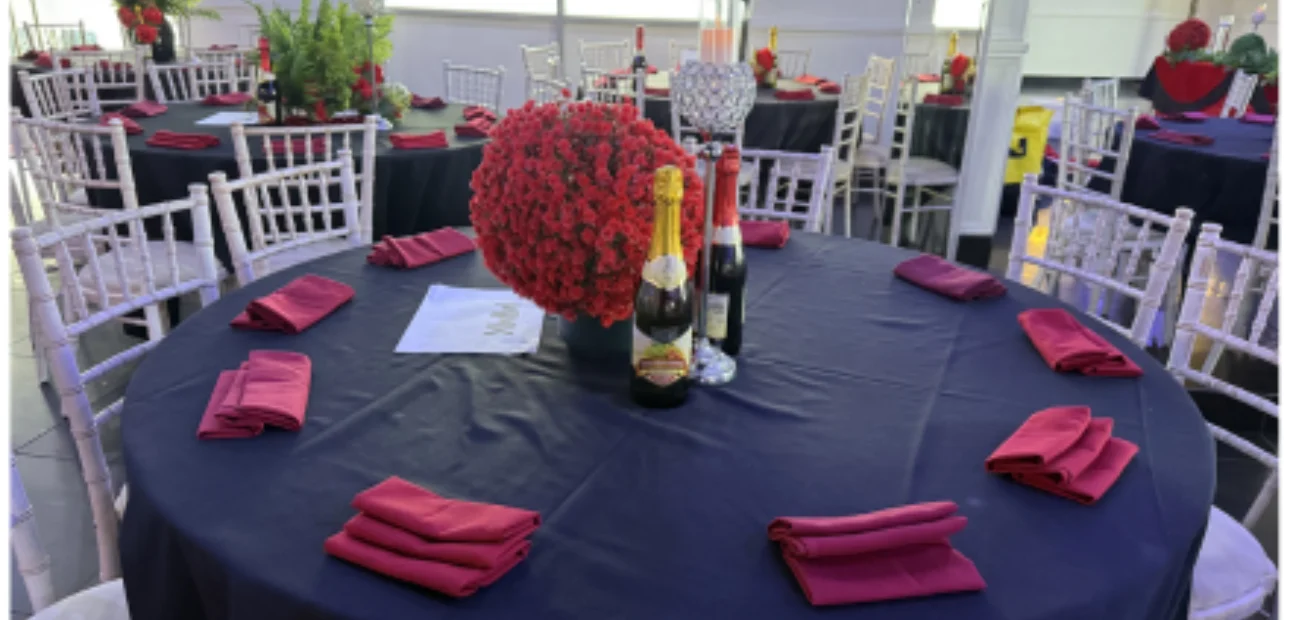
Planning food for a funeral reception can feel surprisingly stressful. Families are already dealing with grief, time pressure, and practical arrangements, and one of the most common worries is simple: how much food do we actually need?
Nobody wants guests to go hungry, but ordering far too much can create unnecessary cost, waste, and added pressure. The good news is that calculating food for a funeral reception is usually much simpler than people expect.
In most cases, the right amount depends on:
- The number of guests attending
- The time of day
- The type of food being served
- The style of reception
- Cultural or religious expectations
- The length of the gathering
This guide explains how to calculate food for a funeral reception step-by-step, including portion estimates, buffet planning, catering tips, and practical advice for receptions held at homes, halls, or function venues.
Start With Your Expected Guest Count
The most important step is estimating attendance as accurately as possible.
Funeral receptions often include:
- Immediate family
- Extended relatives
- Friends and neighbours
- Colleagues
- Religious or community members
- Guests travelling from outside the area
One of the biggest mistakes families make is underestimating numbers. Even smaller funerals can lead to larger post-funeral gatherings, especially in close-knit communities.
A helpful rule is:
- Expect around 70–90% of funeral attendees to attend the reception if it is open to everyone
- For invitation-only receptions, numbers are usually easier to predict
The venue also influences guest flow. Smaller family homes naturally limit attendance, while larger halls or reception venues often encourage more people to stay after the service.
Decide What Type of Reception You’re Hosting
The amount of food needed depends heavily on the style of gathering.
Light Refreshment Reception
Usually includes:
- Tea and coffee
- Sandwiches
- Biscuits
- Pastries
- Cakes
This works well for:
- Shorter receptions
- Afternoon gatherings
- Smaller groups
- More traditional services
Buffet-Style Reception
Typically includes:
- Hot and cold dishes
- Finger food
- Rice or pasta dishes
- Salads
- Desserts
Suitable for:
- Medium to large gatherings
- Multicultural receptions
- Longer events
- Guests travelling long distances
Full Meal Reception
Often includes:
- Main meal service
- Multiple dishes
- Formal seating arrangements
More common for:
- Cultural or religious gatherings
- Large family events
- Community-focused receptions
The larger and longer the reception, the more substantial the catering usually becomes.
Simple Portion Guide Per Guest
A practical way to calculate food is by estimating portions per person.
For Light Refreshments
Per guest, allow approximately:
- 3–4 finger sandwiches
- 2 savoury items
- 1–2 sweet items
- Unlimited tea, coffee, and soft drinks
For example:
| Guests | Sandwiches Needed |
|---|---|
| 30 guests | 90–120 sandwich pieces |
| 50 guests | 150–200 sandwich pieces |
| 100 guests | 300–400 sandwich pieces |
For Buffet-Style Catering
For a mixed buffet, most caterers recommend:
- 6–8 buffet items per guest
- 1.5 portions of main dishes per person
- Extra vegetarian options
Example buffet calculation for 100 guests:
- 150 chicken portions
- 100 vegetarian portions
- 12–15 large platters of sides or salads
- 100 dessert portions
The goal is comfortable abundance rather than excess.
Think About the Time of Day
The timing of the funeral affects how much guests are likely to eat.
Morning Funeral Reception
Guests may expect:
- Tea and coffee
- Pastries
- Light finger food
Lunchtime Reception
Guests are more likely to expect:
- Buffet food
- Hot dishes
- Larger portions
Evening Reception
Guests may stay longer and eat more substantially.
This is especially important for receptions held in larger halls or venues where guests remain for several hours after the funeral service.
Cultural and Religious Considerations Matter
Food planning should always reflect the traditions and needs of the family and guests attending.
Some receptions may require:
- Halal catering
- Vegetarian or vegan food
- Specific cultural dishes
- Faith-sensitive preparation methods
- Separate serving arrangements
In multicultural areas, funeral receptions often include guests from several generations and backgrounds. Offering a range of options helps ensure everyone feels comfortable and included.
This is one reason many families choose halls or venues with catering kitchens or buffet areas. Flexible food service becomes much easier when the venue supports external caterers and varied menu requirements.
Don’t Forget Drinks
Drinks are often underestimated during funeral receptions.
For every 50 guests, a useful estimate is:
- 15–20 litres of tea and coffee combined
- 30–40 bottles or cans of soft drinks
- Water available throughout the venue
If the reception lasts several hours, guests will usually return for drinks multiple times.
Venues with serving stations, preparation areas, or separate refreshment spaces help avoid congestion and make service feel calmer and more organised.
Buffet vs Seated Meal: Which Is Easier?
For most funeral receptions, buffets are simpler and more flexible than formal seated meals.
Buffet Advantages
- Easier to manage guest flow
- Less pressure on timings
- More cost-effective
- Allows guests to eat casually
- Better for mixed-age groups
Seated Meal Advantages
- More structured
- Suitable for formal cultural traditions
- Easier for elderly guests
However, seated meals require:
- More staff
- More space
- More planning
- Stricter timing coordination
For larger receptions in East London or similar urban areas, buffet layouts in flexible halls are often the most practical solution.
How Venue Size Affects Food Planning
The venue itself influences catering far more than people realise.
Smaller Home Gatherings
Usually suit:
- Light refreshments
- Simpler menus
- Limited serving space
Community Halls and Function Venues
Often work better for:
- Buffet service
- Larger catering setups
- Multiple food stations
- Cultural catering requirements
Larger halls also make it easier to organise:
- Separate seating areas
- Tea and coffee stations
- Dessert tables
- Space for speeches or memory displays
The goal is not luxury. It is comfort and flow.
Practical Catering Tips Families Often Forget
Order Slightly More Than You Expect
A small surplus is usually better than running short.
Prioritise Easy-to-Serve Food
Finger foods and buffets reduce stress significantly.
Consider Elderly Guests
Provide comfortable seating and accessible serving arrangements.
Avoid Overcomplicating the Menu
Simple, comforting food is often most appreciated.
Check Venue Catering Rules
Some halls allow outside caterers, while others may have restrictions or kitchen limitations.
Label Food Clearly
Especially useful for halal, vegetarian, vegan, or allergy-sensitive dishes.
Should You Use Professional Caterers?
For larger receptions, professional catering can reduce pressure considerably.
This is especially helpful when:
- Guest numbers exceed 50–60 people
- The family is already overwhelmed
- The venue has catering facilities
- Multiple dietary requirements exist
Professional caterers also help with:
- Portion calculation
- Setup and serving
- Food safety
- Cleanup afterwards
Many halls and function venues are specifically designed to support this type of catering setup.
A Simple Example Calculation
Here’s a straightforward example.
Funeral Reception for 80 Guests
Style: Buffet reception
Duration: 3 hours
Venue: Community hall or function venue
Food Estimate
- 120 meat portions
- 80 vegetarian portions
- 8–10 trays of side dishes
- 80 dessert servings
- 20 litres of tea and coffee
- 50–60 soft drinks
This creates enough flexibility without excessive waste.
Keeping the Focus on Togetherness
Food at a funeral reception is not about impressing people. It is about creating comfort.
Guests rarely remember exactly what was served. What they remember is:
- Feeling welcomed
- Having somewhere to sit
- Being able to speak with the family
- Sharing memories together
Whether the reception takes place at home, in a community hall, or in a larger venue, the purpose remains the same: giving people space to gather and support one another after the funeral service.
Choosing a Space That Supports the Day
If you are organising a larger funeral reception, the right venue can make catering and guest management much easier. Flexible halls with buffet areas, catering access, seating space, parking, and adaptable layouts help create a calm and respectful environment without placing additional pressure on the family.
Looking for a dry hire venue near London? Explore flexible spaces suitable for funeral receptions, wakes, and memorial gatherings.

Fareed Nabir
Fareed Nabir is the visionary Founder of Crown Banqueting Suite and a respected Event Consultant known for delivering elegant and memorable experiences. With strong expertise in venue management and event planning, he has established Crown as a trusted venue for weddings, corporate events, cultural celebrations, and private functions across London.
View ProfileRecent Posts
Where to Have a Baby Shower in the UK: V...
Oct 18, 2026
What Is a Baby Shower? Meaning, Traditio...
Oct 15, 2026
When Should You Have a Baby Shower? UK T...
Oct 13, 2026
Table of Contents
Comments (0)
No comments yet. Be the first to comment.

Comments (0)
No comments yet. Be the first to comment.