How to Plan a Wedding in a Dry Hire Venue
Post Updated On : Oct 06, 2026, Written By : Fareed Nabir
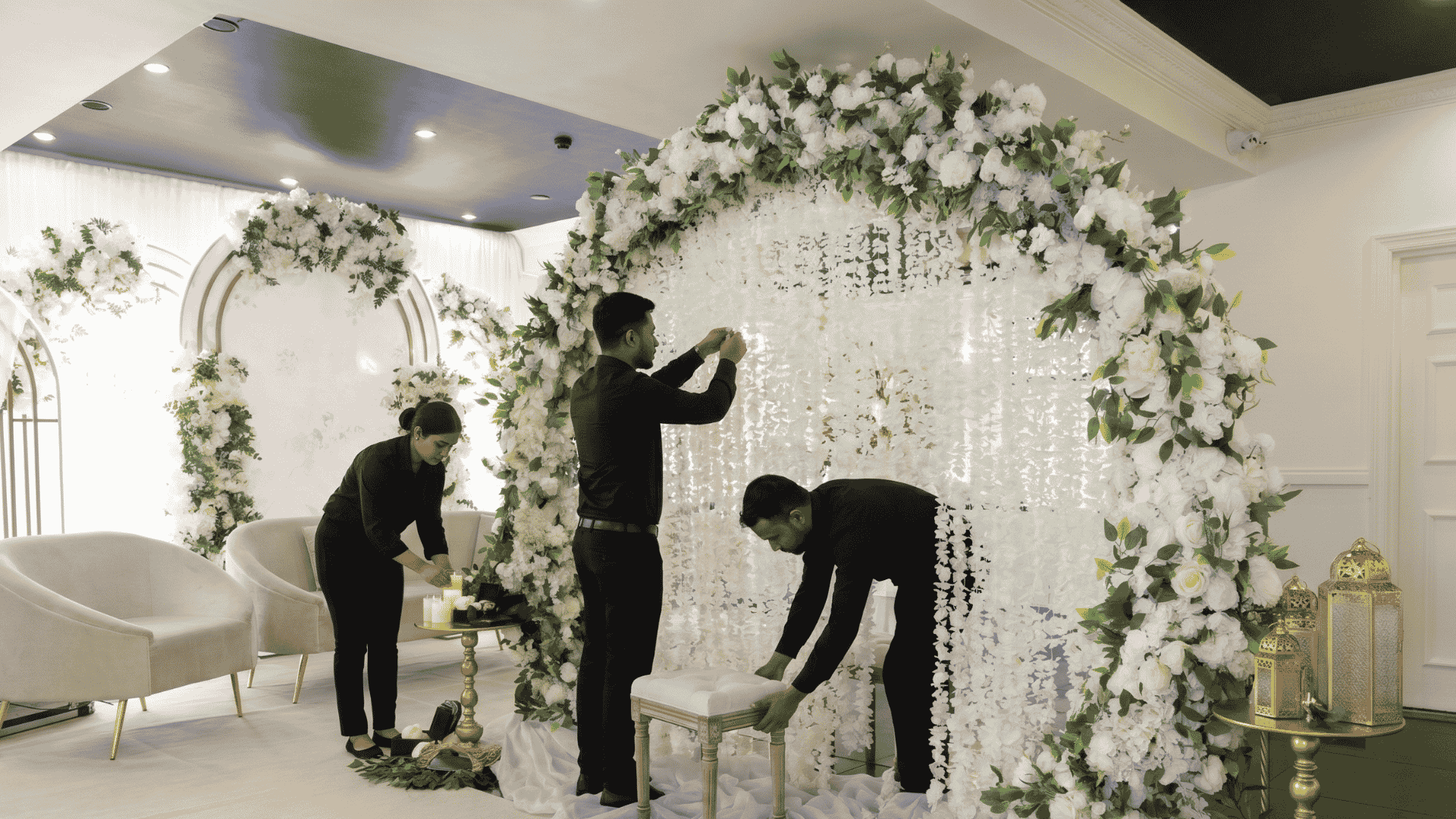
Planning a wedding in a dry hire venue gives you complete creative freedom, but it also means taking responsibility for almost every detail of the day. Unlike fully serviced venues, dry hire spaces provide the location only, allowing you to design the entire wedding experience from scratch.
Planning a wedding in a dry hire venue gives you complete creative freedom, but it also means taking responsibility for almost every detail of the day. Unlike fully serviced venues, dry hire spaces provide the location only, allowing you to design the entire wedding experience from scratch.
This flexibility is exactly why many couples choose it. However, it also requires a clear plan, structured thinking, and reliable suppliers.
This guide walks you through how to plan a wedding in a dry hire venue step by step, from choosing the right space to managing setup and running the event smoothly.
Start with the Right Dry Hire Venue
The foundation of any dry hire wedding is the venue itself. Everything else depends on the space you choose.
Dry hire venues can vary widely, including:
- Large banqueting halls
- Blank canvas event spaces
- Community-style halls
- Industrial-style converted venues
- Private function rooms
When selecting a venue, consider:
- Guest capacity and comfort
- Ceiling height and layout flexibility
- Natural lighting and interiors
- Parking and transport access
- Kitchen or catering prep areas
- Access times for setup and breakdown
A wedding in a dry hire venue works best when the space feels adaptable. Large halls allow for separate dining and dance areas, while smaller venues often create a more intimate, focused atmosphere.
The key is choosing a space that supports your vision rather than restricting it.
Define Your Wedding Style and Layout
Once the venue is confirmed, the next step is deciding how the space will be used.
Dry hire weddings rely heavily on layout planning. You will need to think about how guests will move through the venue and where each part of the day will take place.
Typical zones include:
- Ceremony or vow area
- Dining space
- Stage or entertainment area
- Buffet or catering section
- Photography or backdrop corner
For example, in larger halls, couples often create a central aisle for the ceremony and then reconfigure the space for dining later in the day. This flexibility is one of the biggest advantages of dry hire venues.
At this stage, many couples sketch a basic floor plan or work with a wedding planner to visualise the layout properly.
Build Your Supplier Team
With dry hire, you are responsible for bringing in all external services. This gives you freedom but also requires coordination.
Common suppliers include:
- Wedding caterers
- Decor and styling teams
- Florists
- DJs or live bands
- Photographers and videographers
- Furniture and equipment hire companies
- Wedding planners or coordinators
Choosing suppliers early is essential because availability can affect your entire timeline.
For weddings in hall-style venues, it is especially important that suppliers are familiar with large open spaces. Not all vendors are experienced with blank canvas setups, so communication is key.
Plan Catering and Food Service
Food plays a central role in wedding celebrations, and dry hire venues give you complete control over catering style.
You may choose:
- Formal plated dining
- Buffet-style service
- Cultural or traditional menus
- Street food or live cooking stations
- Mixed dining formats
The venue’s facilities matter here. Some dry hire spaces include kitchen access or prep rooms, while others require full external catering setups.
You should also consider:
- Guest dietary requirements
- Serving flow and timing
- Space for food stations
- Staff required for service
In larger venues, separating dining and entertainment areas helps create a smoother guest experience.
Organise Setup and Event Timeline
One of the most important parts of planning a dry hire wedding is timing.
Most venues provide access a few hours before the event begins. This is your setup window, and it needs to be carefully managed.
During setup, your team will typically handle:
- Table and chair arrangement
- Stage or ceremony setup
- Lighting and décor installation
- Sound system setup
- Catering preparation
- Final styling touches
Because multiple suppliers are involved, coordination is essential. A detailed schedule ensures everyone knows when they should arrive and what they need to do.
A wedding planner or on-the-day coordinator can be extremely helpful here, especially for larger venues.
Manage the Wedding Day Flow
On the day of the wedding, everything should follow a clear structure, even if the style is relaxed.
A typical flow might include:
- Guest arrival and welcome drinks
- Ceremony or formal introduction
- Photography session
- Dining service
- Speeches or formal moments
- Evening entertainment and dancing
In dry hire venues, flexibility is key. You are not restricted by hotel schedules or fixed service rules, which means you can design the day exactly how you want it.
However, this also means time management becomes your responsibility. Keeping to a planned schedule ensures the day runs smoothly without delays.
Decoration and Personalisation
One of the biggest advantages of dry hire weddings is complete freedom in decoration.
Couples often transform blank canvas halls into fully themed environments using:
- Floral installations
- Draping and fabric styling
- LED or ambient lighting
- Custom signage and welcome boards
- Themed centrepieces
- Backdrop walls for photos
Large hall venues are particularly popular because they offer open space and high ceilings, allowing for more dramatic styling.
Whether you prefer minimal elegance or a fully styled cultural celebration, the venue becomes a flexible backdrop for your ideas.
End-of-Event Planning and Clear Down
Once the celebration ends, the venue must be returned to its original condition.
This process usually involves:
- Removing decorations
- Packing down equipment
- Coordinating supplier pickups
- Clearing catering stations
- Final venue inspection
Most dry hire venues require a clear exit time, so it is important to plan this in advance.
A structured breakdown schedule helps avoid stress at the end of the night when energy levels are naturally lower.
Final Thought: Making Dry Hire Work for You
Planning a wedding in a dry hire venue gives you complete control, but it also requires organisation and attention to detail. From selecting the right space to managing suppliers and timelines, every decision shapes the final experience.
The reward is a wedding that feels entirely personal, flexible, and tailored to your vision rather than a fixed package.
Planning Your Dry Hire Wedding Space
If you are considering a dry hire wedding, choosing the right venue is the most important step. A flexible hall or blank canvas event space gives you the freedom to design every detail, from layout to décor to guest experience.
Looking for a dry hire venue near London? Explore adaptable spaces designed for weddings, receptions, and large-scale celebrations with complete creative control.

Fareed Nabir
Fareed Nabir is the visionary Founder of Crown Banqueting Suite and a respected Event Consultant known for delivering elegant and memorable experiences. With strong expertise in venue management and event planning, he has established Crown as a trusted venue for weddings, corporate events, cultural celebrations, and private functions across London.
View ProfileRecent Posts

Where to Have a Baby Shower in the UK: V...
Oct 18, 2026

What Is a Baby Shower? Meaning, Traditio...
Oct 15, 2026
When Should You Have a Baby Shower? UK T...
Oct 13, 2026
Table of Contents
Comments (0)
No comments yet. Be the first to comment.

Comments (0)
No comments yet. Be the first to comment.