Is a Wake Before or After a Funeral? Explained Clearly
Post Updated On : May 14, 2026, Written By : Fareed Nabir
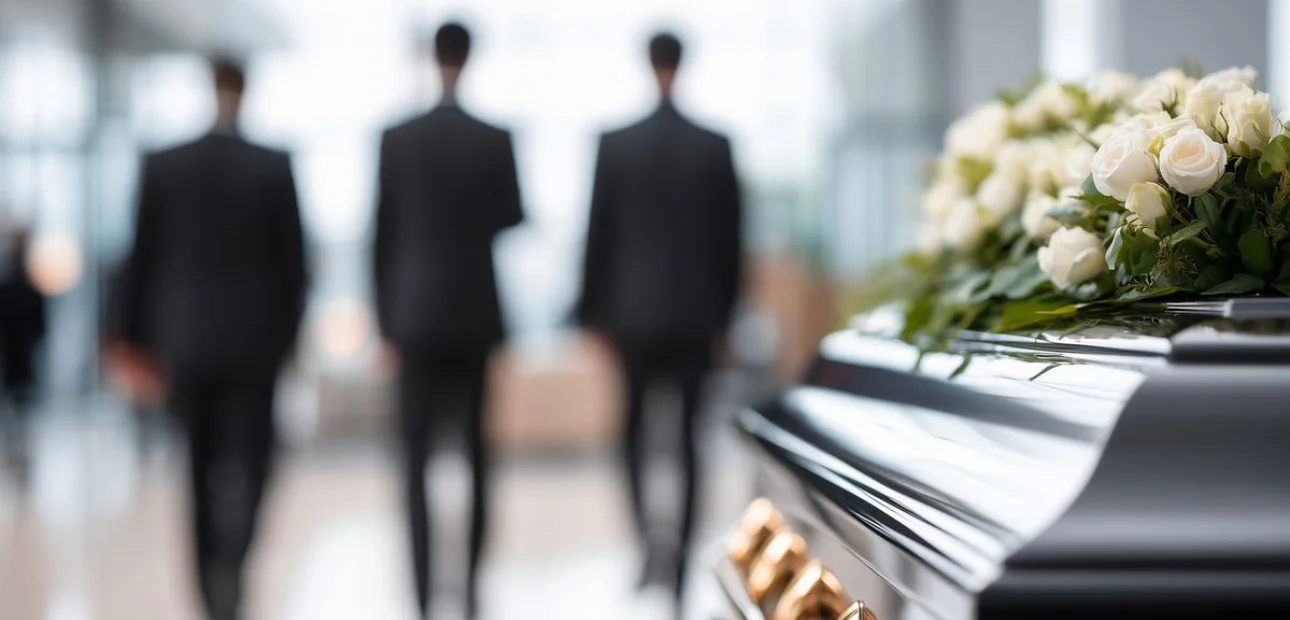
When someone passes away, families often have to make many decisions in a short time. One common question is simple but important: is a wake before or after a funeral?
The short answer is: in the UK, a wake usually takes place after the funeral service, burial, or cremation. It is a gathering where family, friends, neighbours, and community members come together to offer condolences, share memories, and support one another in a more relaxed setting.
However, the word “wake” can mean slightly different things depending on culture, religion, family tradition, and location. In some countries, a wake may happen before the funeral. In modern UK usage, though, it normally refers to the gathering held after the formal service.
Quick Answer: Is a Wake Before or After a Funeral?
A wake is usually after a funeral in the UK.
It often takes place after the funeral service at a crematorium, cemetery, church, mosque, temple, gurdwara, funeral home, or another place of worship. Guests then move to a family home, community hall, restaurant, pub, function room, or hired venue where they can gather more comfortably.
The wake gives people time to speak to the family, share stories, have refreshments, and remember the person who has passed away.
Why Is There Confusion About Wakes?
The confusion comes from the history of the word.
Traditionally, a wake was connected to the idea of keeping watch over the person who had died before the funeral. In some cultures, this could include prayers, viewing the body, or staying with the deceased before burial. This is why some people still associate a wake with something that happens before the funeral.
Today, especially in the UK, the meaning has changed. A wake is now commonly used to describe the gathering after the funeral. Some people may also call it a funeral reception, post-funeral gathering, memorial gathering, or celebration of life.
So, both meanings can exist, but for most UK families, the wake happens afterwards.
What Happens Before the Funeral?
Before the funeral, the family usually focuses on the formal arrangements. This may include working with a funeral director, choosing the type of service, arranging flowers, confirming burial or cremation details, and letting guests know the time and place.
In some traditions, there may also be prayers, viewings, or private family visits before the funeral. These are not always called a wake in the UK, but some families may still use that word depending on their background.
For example, in some religious or cultural communities, family members may gather before the funeral for quiet remembrance, prayer, or support. In other cases, there may be no gathering before the service at all.
This depends entirely on the family’s wishes, faith, and customs.
What Happens After the Funeral?
After the funeral, many families invite guests to a wake. This is usually less formal than the service itself.
A funeral service often has a set structure. It may include readings, prayers, music, eulogies, religious rites, or a celebrant-led order of service. A wake is usually more relaxed. People can talk, sit together, share memories, eat, drink tea, and comfort one another.
The setting matters here. A wake held in a small family home will feel intimate and private. A wake in a community hall or function room may work better for a larger number of guests. A hired hall can also help families manage seating, food, accessibility, and space without putting too much pressure on the home.
Families looking for a calm and flexible funeral wake venue often choose larger halls to comfortably accommodate guests after the service.
Is a Wake the Same as a Funeral Reception?
In many cases, yes.
A wake and a funeral reception are often used to mean the same thing in the UK. Both describe a gathering after the funeral where mourners come together.
There may be small differences in tone. “Wake” is a more traditional word. “Funeral reception” can sound slightly more modern or formal. “Celebration of life” is often used when the family wants the gathering to feel more uplifting and focused on memories.
Here is a simple way to understand it:
| Term | Meaning |
|---|---|
| Wake | A gathering usually held after the funeral in the UK |
| Funeral reception | A post-funeral gathering with food, drinks, and conversation |
| Memorial gathering | A remembrance event, sometimes held separately from the funeral |
| Celebration of life | A more uplifting event focused on the person’s life and legacy |
Families can use whichever term feels most natural.
Where Is a Wake Usually Held?
A wake can be held in many different places. The best choice depends on the number of guests, location, budget, and the kind of atmosphere the family wants.
Common wake venues include:
- A family home
- A church hall or faith-based hall
- A community centre
- A pub or restaurant
- A hotel function room
- A banqueting hall
- A dry hire venue
- A local event space
For a small gathering, a home may feel personal and comforting. For a larger family or community gathering, a hall or function room can be more practical. It gives guests enough room to sit, move around, have refreshments, and speak to the family without feeling crowded.
A suitable venue can also make things easier for elderly guests, people travelling from different areas, and families who need a calm, respectful space after the service.
You can also explore a flexible dry hire venue for personalised wake or memorial arrangements.
How Soon After the Funeral Does the Wake Start?
A wake usually begins soon after the funeral service ends.
If the wake is at a nearby hall, home, restaurant, or function room, guests may go straight there. Sometimes there is a short gap to allow the family to travel from the crematorium, cemetery, or place of worship.
It is helpful to include clear details on the funeral invitation or order of service, such as:
- The wake location
- Start time
- Parking information
- Whether food will be served
- Whether it is private or open to all guests
- Any dress code or cultural guidance
This avoids confusion on the day.
How Long Does a Wake Last?
Most wakes last around two to four hours, although this can vary. Some are very short and simple, with tea and light refreshments. Others may last longer, especially if a full meal is served or guests have travelled from far away.
The length often depends on the venue. A home gathering may naturally continue for longer. A hired hall or function room may have a set booking time. This is why it helps to choose a space that allows enough time without making the family feel rushed.
There is no strict rule. The wake should feel comfortable, respectful, and manageable for the people organising it.
What Food Is Served at a Wake?
Food at a wake is usually simple and comforting. It does not need to be elaborate.
Common options include:
- Tea and coffee
- Biscuits
- Sandwiches
- Pastries
- Finger food
- Buffet-style dishes
- Soft drinks
- Fruit and desserts
- Cultural or traditional food
Some families may arrange halal, vegetarian, vegan, or faith-appropriate catering. In multicultural communities, food can be an important part of showing care and hospitality. A hall with a catering kitchen or serving area can be useful, especially when external caterers are involved.
The goal is not to impress guests. The goal is to make people feel looked after.
Do You Have to Attend the Wake?
No, attending a wake is not compulsory. However, if you were invited and you can attend, it is usually appreciated.
A wake gives you the chance to speak to the family in a more personal way than may be possible during the funeral service. You do not need to say anything complicated. A few sincere words are enough.
You might say:
- “I’m so sorry for your loss.”
- “Thank you for letting me be here today.”
- “They were wonderful people.”
- “I have such fond memories of them.”
If you cannot attend the wake, it is still thoughtful to send a message, card, flowers, or donation if the family has requested one.
Do You Have to Have a Wake?
No. A wake is not required.
Some families prefer a private funeral only. Others may have a small gathering at home with close relatives. Some may choose a larger hall because they expect many guests from the wider family, neighbourhood, workplace, or community.
There is no right or wrong choice. The important thing is that the gathering reflects the family’s needs and the wishes of the person who has passed away.
For many people, though, a wake provides comfort. It gives the day a softer ending. Instead of leaving the funeral and going straight home, guests have somewhere to gather, talk, remember, and support each other.
Final Answer: Before or After?
In the UK, a wake is usually held after the funeral.
Historically, wakes could happen before the funeral, and in some cultures they still do. But in modern British usage, when someone says “wake”, they usually mean the gathering after the funeral service, burial, or cremation.
It may be held at home, in a community hall, at a place of worship, in a restaurant, or in a hired venue. It can be simple, traditional, religious, cultural, or more like a celebration of life.
What matters most is not the label. What matters is creating a calm and respectful space where people can come together, share memories, and support the family.
Looking for a Dry Hire Venue Near London?
If you are arranging a wake, funeral reception, or memorial gathering, the right setting can make the day feel calmer and easier to manage.
A flexible dry hire venue near London can give families space for seating, refreshments, catering, memory tables, and quiet conversation, while allowing the gathering to be shaped around personal, cultural, and family needs.
Explore our venue services to find a respectful and flexible space for your gathering.

Fareed Nabir
Fareed Nabir is the visionary Founder of Crown Banqueting Suite and a respected Event Consultant known for delivering elegant and memorable experiences. With strong expertise in venue management and event planning, he has established Crown as a trusted venue for weddings, corporate events, cultural celebrations, and private functions across London.
View ProfileRecent Posts
Where to Have a Baby Shower in the UK: V...
Oct 18, 2026
What Is a Baby Shower? Meaning, Traditio...
Oct 15, 2026
When Should You Have a Baby Shower? UK T...
Oct 13, 2026
Table of Contents
Comments (0)
No comments yet. Be the first to comment.

Comments (0)
No comments yet. Be the first to comment.