What Happens at a Funeral Reception? Full Breakdown
Post Updated On : May 10, 2026, Written By : Fareed Nabir
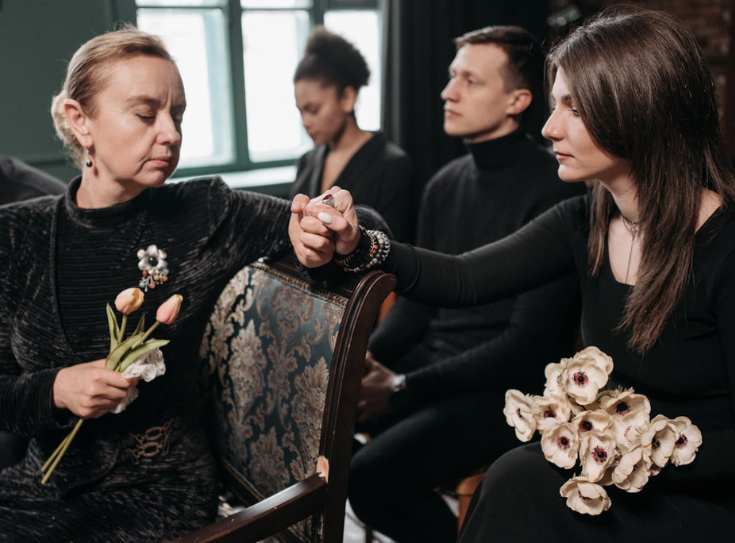
Losing someone is never easy, and for many, the time immediately following a funeral can feel uncertain. One of the most common questions people have, especially if they’ve never attended one before, is: what actually happens at a funeral reception?
A funeral reception (sometimes called a wake or repast) is a gathering held after the formal service. It offers a more relaxed setting where family, friends, and loved ones can come together, share memories, and support one another. While every reception differs depending on culture, religion, and personal preference, there is a general flow most follow.
This guide walks you through the full experience, from arrival to departure, so you know exactly what to expect.
Arrival: A Quiet Transition from Formality to Comfort
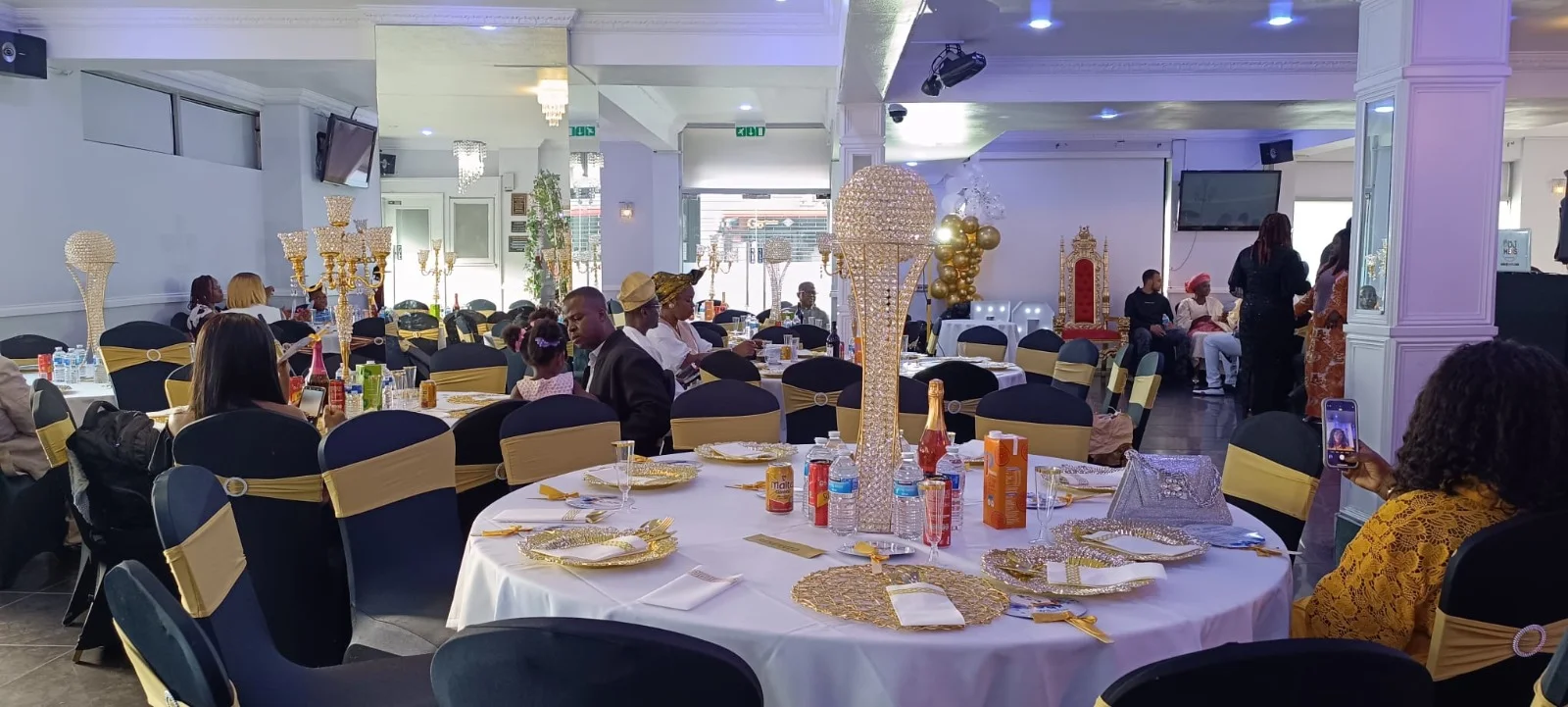
After the funeral service concludes, guests are usually invited to a separate location for the reception. This might be a family home, a community hall, a hotel function room, or a dedicated event venue. In many cases, especially in urban areas, families opt for a hired hall due to its capacity, accessibility, and facilities.
As you arrive, the atmosphere typically shifts from formal to gently informal. You may be greeted by a member of the family or directed by signage. Some venues provide a reception area where guests can sign a condolence book or leave written messages for the family.
Unlike the structured nature of the funeral service, there is no strict schedule here. Guests arrive at different times, and the environment is intentionally more flexible. Seating arrangements vary, some halls offer banquet-style tables, while others keep it open with mingling space.
Settling In: The Role of the Venue Environment
The choice of venue plays a subtle but important role in shaping the reception experience. A well-organised hall provides a calm, respectful atmosphere, allowing guests to feel at ease without distraction.
Larger venues often accommodate extended families and community members, while smaller spaces create a more intimate setting. Features such as comfortable seating, climate control, and accessible facilities contribute to the overall experience, especially for elderly guests or those travelling from afar.
Some venues include a designated area for quiet reflection, while others may display photographs or memory boards celebrating the life of the deceased. These elements help guide the tone of the gathering without making it feel overly formal.
If you are arranging a reception in East London, choosing a suitable funeral wake venue with flexible space and guest facilities can help create a more comfortable experience for everyone attending.
Food & Refreshments: Sharing a Meal Together
Food is a central part of most funeral receptions. While it may seem unusual at first, sharing a meal has long been a way for people to connect, reflect, and support one another.
The style of catering varies widely:
- Light refreshments: Tea, coffee, sandwiches, and pastries
- Buffet service: A selection of hot and cold dishes
- Seated meal: A more structured dining experience
In many cultures, food holds symbolic meaning, and dishes may be chosen to reflect tradition or the preferences of the deceased.
From a practical perspective, venues with catering facilities or professional kitchens simplify the process significantly. Some families arrange external catering, while others rely on the venue’s in-house options. Either way, the goal is not extravagance, it’s comfort and hospitality.
Guests are usually free to eat at their own pace. There’s no expectation to sit formally unless it’s a plated meal. Instead, people often move between eating, talking, and quietly reflecting.
Conversations: Remembering, Sharing, and Supporting
Perhaps the most meaningful part of a funeral reception is the conversation. This is where the emotional tone becomes more personal and less ceremonial.
You’ll notice a mix of interactions:
- Sharing memories and stories about the deceased
- Offering condolences to close family members
- Reconnecting with relatives or friends not seen in years
While grief is present, the atmosphere isn’t always sombre. In fact, laughter often emerges naturally as people recall fond memories. This balance, between sadness and celebration, is what makes the reception so important.
In larger halls, conversations tend to happen in smaller groups, creating pockets of connection. In more intimate settings, discussions may feel more collective.
It’s worth noting that there’s no pressure to say the “perfect” thing. Simply being present is often enough.
Optional Elements: Speeches, Tributes, and Personal Touches
Some funeral receptions include informal speeches or tributes, though this is entirely optional. If they do take place, they are usually brief and less structured than those during the main service.
Common additions include:
- A short speech from a family member
- A slideshow or video tribute
- Background music that held significance to the deceased
Venues equipped with audio-visual facilities make it easier to incorporate these elements seamlessly. However, many receptions remain simple and conversation-focused, without any formal programme.
The key is flexibility, families shape the reception based on what feels right for them.
Duration: How Long Does It Last?
A funeral reception typically lasts between one to three hours, though there is no strict rule. Guests are free to leave whenever they feel ready.
Unlike the funeral service, there is no defined ending. The gathering gradually winds down as people begin to depart, often after spending time with the immediate family.
Venues often allow flexible booking durations to accommodate this natural flow, ensuring there’s no sense of being rushed.
Leaving: A Gentle Goodbye
When it’s time to leave, guests usually take a moment to say goodbye to the family. This can be as simple as a quiet word, a handshake, or a hug.
There’s no formal send-off. The tone remains respectful and understated.
In some cases, guests may offer practical support, such as helping with arrangements or staying in touch in the days ahead. This ongoing support is one of the most valuable aspects of the reception.
Etiquette Tips: What You Should Know
If you’re attending a funeral reception for the first time, a few simple guidelines can help you feel more comfortable:
- Dress appropriately: Smart, respectful attire is expected, though slightly less formal than the funeral service
- Be mindful of tone: Follow the room, some gatherings are quiet, others more conversational
- Avoid overthinking: A sincere “I’m sorry for your loss” is always appropriate
- Respect the space: Whether it’s a home or a hired hall, maintain a considerate presence
Remember, every reception is different. Cultural and religious customs may influence the flow, so it’s always helpful to remain observant.
Why Funeral Receptions Matter
At its core, a funeral reception serves a simple but powerful purpose: bringing people together.
It allows:
- Space for emotional expression outside formal rituals
- Time for meaningful conversations and shared memories
- An opportunity for community support during a difficult time
The environment, whether a modest gathering space or a larger hall, plays a supporting role in making this possible. A well-chosen venue doesn’t define the experience, but it can quietly enhance comfort, accessibility, and flow.
Final Thoughts
Understanding what happens at a funeral reception can remove much of the uncertainty surrounding it. While each one is unique, the overall journey remains consistent: arrival, settling in, sharing food, connecting through conversation, and gradually saying goodbye.
It’s not about structure or perfection, it’s about presence, remembrance, and support.
Looking for a Suitable Venue?
If you’re planning a funeral reception and need a calm, adaptable space, choosing the right venue can make a meaningful difference. From intimate halls to larger blank-canvas spaces with catering facilities, the right setting helps ensure everything runs smoothly while allowing you to focus on what truly matters.
Looking for a dry hire venue near London? Explore flexible spaces designed to accommodate respectful gatherings with ease and dignity through this dry hire venue.

Fareed Nabir
Fareed Nabir is the visionary Founder of Crown Banqueting Suite and a respected Event Consultant known for delivering elegant and memorable experiences. With strong expertise in venue management and event planning, he has established Crown as a trusted venue for weddings, corporate events, cultural celebrations, and private functions across London.
View ProfileRecent Posts
Where to Have a Baby Shower in the UK: V...
Oct 18, 2026
What Is a Baby Shower? Meaning, Traditio...
Oct 15, 2026
When Should You Have a Baby Shower? UK T...
Oct 13, 2026
Table of Contents
Comments (0)
No comments yet. Be the first to comment.

Comments (0)
No comments yet. Be the first to comment.