What Happens at a Wake? Everything Explained
Post Updated On : May 12, 2026, Written By : Fareed Nabir
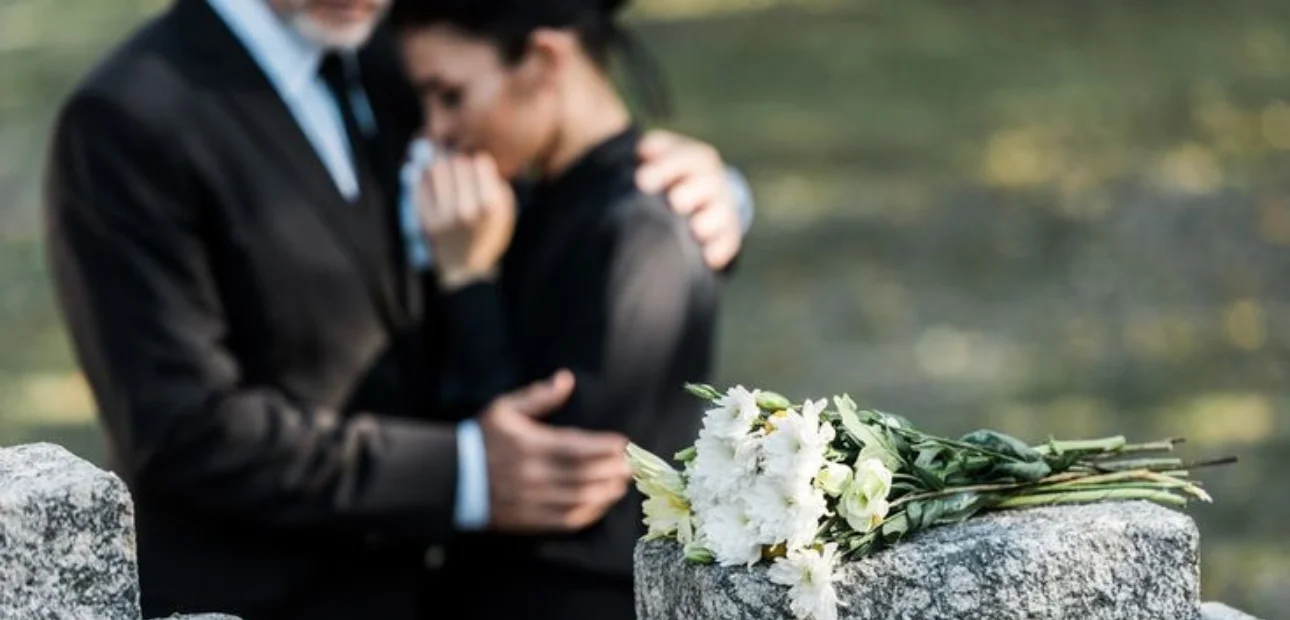
If you have never attended a wake before, it is completely normal to feel unsure about what to expect. Many people worry about saying the wrong thing, not knowing what happens, or feeling uncomfortable in an unfamiliar setting.
The truth is that a wake is usually much more relaxed and personal than people imagine.
So, what happens at a wake exactly?
In simple terms, a wake is a gathering where family, friends, neighbours, and community members come together after a funeral to remember the person who has passed away. It gives people time to speak, share memories, offer condolences, and support one another away from the formal structure of the funeral service.
In the UK, wakes can vary depending on religion, culture, family traditions, and the size of the gathering. Some are quiet and intimate, while others feel more like a warm celebration of life. There is no perfect format.
This guide explains what you will typically see, experience, and expect when attending a wake.
What Happens at a Wake?
At a wake, guests usually gather after the funeral service at a home, hall, restaurant, pub, or function venue. People eat, drink tea or coffee, talk quietly, share memories, offer condolences to the family, and spend time together in a more relaxed setting.
Some wakes include speeches, prayers, music, slideshows, or cultural traditions, while others remain completely informal.
Arriving at the Wake
Most wakes take place shortly after the funeral service finishes.
Guests may travel directly from:
- A crematorium
- A cemetery
- A church or place of worship
- A funeral home
The wake itself is often held somewhere more comfortable and social, such as:
- A family home
- A community hall
- A pub with a private room
- A hotel function suite
- A banqueting or event hall
When you arrive, the atmosphere is usually calm and welcoming rather than formal. Someone may greet you at the entrance, although at larger wakes guests often simply walk in quietly and join the gathering.
In venues or halls, you may notice:
- Tables and seating arranged informally
- Tea and coffee stations
- Buffet tables
- Memory displays with photographs
- Floral arrangements
- Background music playing softly
The environment is intended to help people feel comfortable rather than ceremonial.
For families organising a respectful gathering space, choosing a suitable funeral wake venue can help provide the comfort and flexibility guests need.
What People Usually Do at a Wake
Many first-time attendees expect a wake to be silent or extremely sombre. In reality, most wakes feel surprisingly human and conversational.
People tend to:
- Speak quietly in small groups
- Share stories about the deceased
- Comfort close family members
- Reconnect with relatives or friends
- Sit together over food and drinks
You may hear laughter alongside sadness. This often surprises people, but it is completely normal. Remembering funny stories or happy memories is a meaningful part of the grieving process.
In larger halls or reception venues, guests naturally move between conversations, seating areas, and buffet tables. The relaxed layout helps prevent the gathering from feeling rigid or overwhelming.
Offering Condolences
One of the biggest worries people have is not knowing what to say to the family.
The good news is that you do not need to say anything elaborate.
Simple and sincere phrases are enough:
- “I’m so sorry for your loss.”
- “They were lovely people.”
- “I’m thinking of you.”
At a wake, conversations tend to happen more naturally than during the funeral itself. The setting gives people more time to speak without feeling rushed.
If the gathering is large, you may only speak briefly with immediate family members. That is perfectly acceptable.
Food and Refreshments
Food is a very common part of a wake in the UK.
The purpose is not luxury or entertainment. It is about hospitality, comfort, and giving people a reason to stay together for longer.
What is served depends on:
- Culture and religion
- Budget
- Guest numbers
- Venue facilities
Typical options include:
- Tea and coffee
- Sandwich platters
- Biscuits and pastries
- Finger food
- Buffet-style meals
- Traditional cultural dishes
In some communities, serving food is an important cultural expectation. Larger gatherings often benefit from halls or venues with catering kitchens, serving areas, or enough space for buffet layouts.
For smaller wakes held at home, food is usually simpler and more informal.
Speeches, Tributes, and Personal Touches
Some wakes include planned tributes, while others remain completely casual.
You might see:
- A family member giving a short speech
- A prayer or reading
- A slideshow of photographs
- A memory table with personal items
- Favourite songs playing in the background
These touches often help personalise the gathering and celebrate the life of the deceased.
In venues with audio-visual facilities or larger layouts, families sometimes organise tribute videos or microphone speeches. However, none of this is required. Many wakes simply revolve around conversation and shared presence.
The Atmosphere at a Wake
Every wake feels slightly different.
Some are:
- Quiet and reflective
- Warm and conversational
- Deeply traditional
- Culturally specific
- Family-focused
- Community-centred
The atmosphere often depends on:
- The personality of the deceased
- Family traditions
- Religious customs
- The size of the venue
- The number of guests attending
For example, a small wake at home may feel very intimate, while a larger gathering in a hall may feel more social and community-oriented.
Neither is more “correct” than the other.
How Long Does a Wake Last?
Most wakes in the UK last between two and four hours, although there is no strict rule.
Some guests stay briefly before leaving quietly, while close family and friends may remain much longer.
The duration usually depends on:
- Travel distance from the funeral
- Whether food is served
- Guest numbers
- Cultural traditions
- Venue booking arrangements
Larger venues often allow flexible timing, which helps the gathering end naturally rather than feeling rushed.
What Should You Wear to a Wake?
Most people wear respectful, smart clothing similar to funeral attire.
Traditionally, darker colours are common, although modern wakes can sometimes be less formal depending on the family’s wishes.
If unsure, choose:
- Smart black, navy, or grey clothing
- Conservative and comfortable outfits
- Modest footwear suitable for standing or walking
Some families may request specific colours or dress codes, especially for celebration-of-life gatherings.
Do You Have to Attend the Wake?
No, attending the wake is not compulsory.
Some people attend only the funeral service, while others attend only the wake if they were unable to attend the funeral itself.
However, many families appreciate seeing people at the wake because it gives them more opportunity to connect personally.
Even attending briefly can mean a great deal to grieving relatives.
Why the Venue Matters More Than People Realise
The venue itself quietly shapes the experience of a wake.
Families often choose halls or reception spaces because they provide:
- Comfortable seating
- Space for guests to move naturally
- Catering access
- Parking facilities
- Accessibility for elderly guests
- A calm environment away from home pressures
For larger multicultural communities, flexible venues are especially useful because they can adapt to different traditions, food requirements, and guest numbers.
The goal is not to create a luxurious event. It is simply to create a respectful environment where people can gather comfortably.
If you are looking for a flexible venue space, explore this dry hire venue designed to accommodate respectful gatherings with ease and comfort.
A Gathering That Matters
A wake is ultimately about togetherness.
It gives people time to slow down after the funeral service, share memories, support the family, and honour the person who has passed away in a more personal setting.
If you are attending a wake for the first time, remember this: nobody expects perfection. Simply being present, respectful, and kind is enough.
Whether the gathering takes place in a small family home or a larger function hall, the purpose remains the same, bringing people together during a difficult moment.

Fareed Nabir
Fareed Nabir is the visionary Founder of Crown Banqueting Suite and a respected Event Consultant known for delivering elegant and memorable experiences. With strong expertise in venue management and event planning, he has established Crown as a trusted venue for weddings, corporate events, cultural celebrations, and private functions across London.
View ProfileRecent Posts
Where to Have a Baby Shower in the UK: V...
Oct 18, 2026
What Is a Baby Shower? Meaning, Traditio...
Oct 15, 2026
When Should You Have a Baby Shower? UK T...
Oct 13, 2026
Table of Contents
Comments (0)
No comments yet. Be the first to comment.

Comments (0)
No comments yet. Be the first to comment.