What Is a Wake Ceremony? Meaning, Purpose & Traditions
Post Updated On : May 11, 2026, Written By : Fareed Nabir
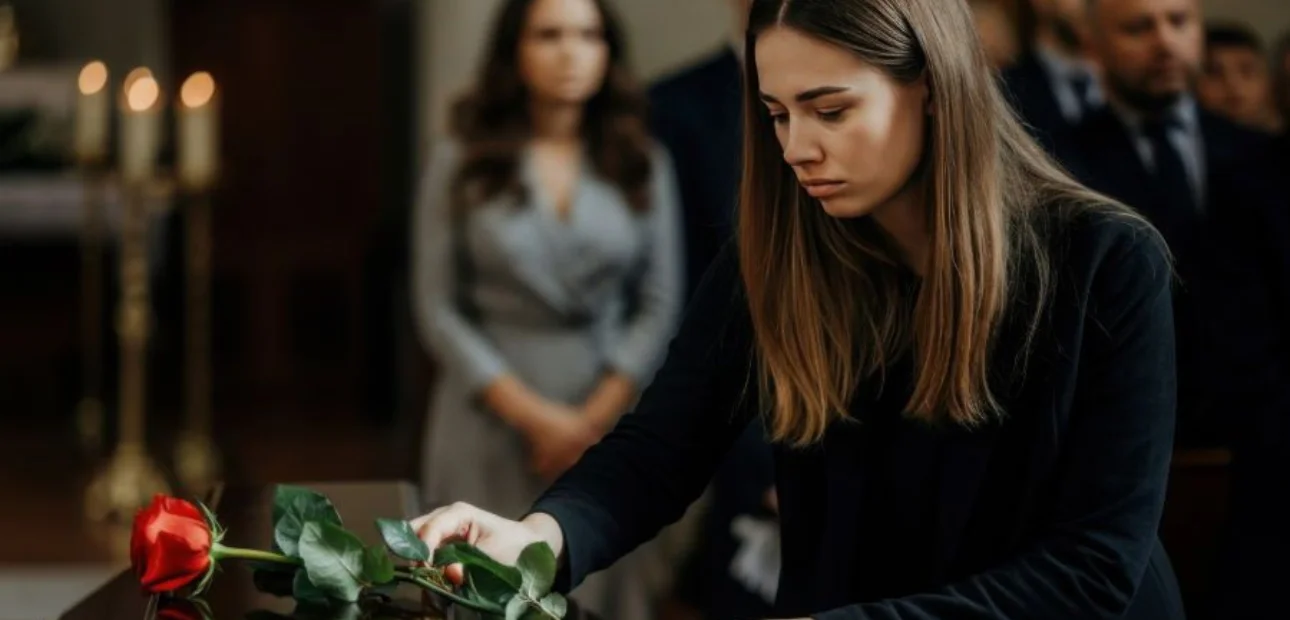
When someone passes away, families often follow traditions that help bring people together, offer support, and honour the life of the person who has gone. Alongside the funeral service itself, you may hear the term “wake ceremony.”
So, what is a wake ceremony in simple terms?
A wake ceremony is a gathering held before or after a funeral where family, friends, neighbours, and community members come together to remember the person who has passed away. It provides a more personal and less formal space for condolences, shared memories, and emotional support.
In the UK, a wake can be quiet and reflective, or it can include storytelling, food, and moments of warmth. There is no strict format. What matters most is that it feels respectful and right for the family.
What Is a Wake Ceremony?
A wake ceremony is a gathering connected to a funeral where people come together to honour the deceased, support the family, and share memories. It may include refreshments, conversation, and sometimes personal elements such as photos, music, or short tributes.
Wake Ceremony Meaning in the UK
In the UK, a wake is most commonly held after the funeral service, although traditionally it could take place before the burial.
The funeral itself may happen at a crematorium, cemetery, church, mosque, temple, gurdwara, or funeral home. After the formal service, guests are often invited to attend the wake at a separate location.
This gathering is more relaxed than the funeral. It allows people to:
- Speak more freely
- Spend time with the family
- Offer condolences in a natural setting
In multicultural areas, wake ceremonies can also reflect religious and cultural traditions. Some families prefer a simple and peaceful gathering, while others may host a larger event to accommodate extended family and community members.
The choice of venue, whether a home, restaurant, or hall, often depends on guest numbers and the type of atmosphere the family wants to create.
For families arranging a respectful gathering space, choosing a suitable funeral wake venue can help create a calm and welcoming environment for guests.
Is a Wake the Same as a Funeral Reception?
The terms wake and funeral reception are often used interchangeably, but there are slight differences in meaning.
| Term | Simple Meaning | Common Use |
|---|---|---|
| Wake | A gathering before or after a funeral | Traditional UK term |
| Funeral reception | A gathering after the funeral service | More modern wording |
| Memorial gathering | A remembrance event (sometimes without the body present) | Flexible use |
| Celebration of life | A more uplifting remembrance event | Focus on memories and legacy |
In practice, most families use whichever term feels natural. The experience itself is very similar.
What Happens at a Wake Ceremony?
A wake ceremony is usually calm, respectful, and centred around people rather than structure.
Typical elements include:
- Guests arriving after the funeral
- Tea, coffee, soft drinks, or light refreshments
- A buffet or simple catered meal
- Conversations and shared memories
- Condolences offered to the family
- A memory table with photos or flowers
- Optional speeches, prayers, or readings
- Background music or a slideshow (if desired)
Some wakes are entirely informal, while others may include a short running order, especially if cultural or religious elements are involved.
In larger gatherings, especially those held in a hall or function space, guests often form smaller groups, creating a natural flow of conversation across the room.
Gentle Planning Tip
A wake does not need to be complicated.
Families are already dealing with emotional and practical pressures. In most cases, what matters is:
- A respectful setting
- Enough seating for guests
- Simple, comforting food
- A calm and welcoming atmosphere
A well-chosen venue or hall can help manage these practical elements, allowing the family to focus on being present rather than organising details.
Why Do Families Hold a Wake?
A funeral service is often structured and time-limited. Once it ends, guests may not have the opportunity to properly speak with the family or one another.
A wake creates that space.
It helps by:
- Giving guests time to offer condolences
- Bringing people together in one place
- Creating space for memories and storytelling
- Supporting elderly or travelling guests
- Providing food and refreshments
- Offering a more personal way to honour the deceased
For many families, especially in close-knit communities, the wake is just as important as the funeral itself.
Where Can You Hold a Wake Ceremony?
In the UK, wake ceremonies can be held in a range of locations depending on size, budget, and preference.
| Venue Option | Best For | Things to Consider |
|---|---|---|
| Family home | Small, private gatherings | Limited space, added pressure on family |
| Restaurant or pub | Smaller groups | Less flexibility with layout |
| Community hall | Larger local gatherings | May require external catering |
| Place of worship hall | Faith-based gatherings | Availability varies |
| Banqueting hall | Medium to large receptions | Flexible layout, catering access, parking |
For larger wakes, many families prefer a dedicated hall or venue. It allows enough room for seating, food service, and movement, while also providing practical features such as parking and accessibility.
The setting should feel calm and appropriate, without being overwhelming or overly formal.
How Long Does a Wake Last?
Most wake ceremonies last between two to four hours, though there is no strict rule.
The duration often depends on:
- The timing of the funeral service
- Travel distance to the venue
- Whether food is served
- The number of guests
- Cultural or religious customs
Some guests may stay briefly, while others remain longer. The gathering usually winds down naturally rather than ending at a fixed time.
What Food Is Served at a Wake?
Food at a wake is usually simple, practical, and comforting.
Common options in the UK include:
- Tea, coffee, and biscuits
- Sandwich platters
- Pastries and light snacks
- Finger food
- Buffet-style meals
- Traditional cultural dishes
- Vegetarian or halal-friendly options
- Soft drinks and water
Food choices often reflect cultural or religious needs. For example, some families may require halal catering or specific traditional dishes.
If catering is involved, having access to a venue with kitchen facilities can make service much smoother, especially for larger gatherings.
Wake Ceremony Planning Checklist
Use this simple checklist to guide your planning:
| Planning Step | What to Decide |
|---|---|
| Guest numbers | Small gathering or larger reception? |
| Location | Close to the funeral service location? |
| Venue size | Enough room for seating and movement? |
| Food | Light refreshments or a full meal? |
| Parking | Is there space for guests? |
| Layout | Tables, chairs, memory area, prayer space? |
| Personal touches | Photos, music, guestbook, slideshow? |
| Timing | How long will the wake last? |
| Support | Who will manage the day? |
Keeping things simple often leads to a more meaningful and less stressful experience.
Do You Have to Have a Wake?
No, a wake is not required.
Some families choose a private funeral service only, while others prefer a small gathering at home with close relatives.
However, many find that a wake provides comfort. It gives people a place to gather, talk, and support one another after the formal service ends.
Even a modest gathering can make a meaningful difference.
Final Thoughts
A wake ceremony is a gathering that brings people together after a loss. It provides space for remembrance, conversation, and support in a more relaxed setting than the funeral itself.
It doesn’t need to be elaborate or highly structured. What matters most is that it feels respectful, comfortable, and appropriate for the people attending.
Looking for a Suitable Venue?
If you are planning a wake and need a calm, flexible space, choosing the right setting can make the day much easier to manage. From small halls to larger blank-canvas venues with catering facilities, the right environment helps everything run smoothly while keeping the focus on remembrance.
Looking for a dry hire venue near London? Explore flexible spaces designed to host respectful gatherings with ease and dignity through this dry hire venue.
Fareed Nabir
Fareed Nabir is the visionary Founder of Crown Banqueting Suite and a respected Event Consultant known for delivering elegant and memorable experiences. With strong expertise in venue management and event planning, he has established Crown as a trusted venue for weddings, corporate events, cultural celebrations, and private functions across London.
View ProfileRecent Posts
Where to Have a Baby Shower in the UK: V...
Oct 18, 2026
What Is a Baby Shower? Meaning, Traditio...
Oct 15, 2026
When Should You Have a Baby Shower? UK T...
Oct 13, 2026
Table of Contents
Comments (0)
No comments yet. Be the first to comment.

Comments (0)
No comments yet. Be the first to comment.