What to Bring to a Funeral Reception (Simple Guide)
Post Updated On : Oct 08, 2026, Written By : Fareed Nabir
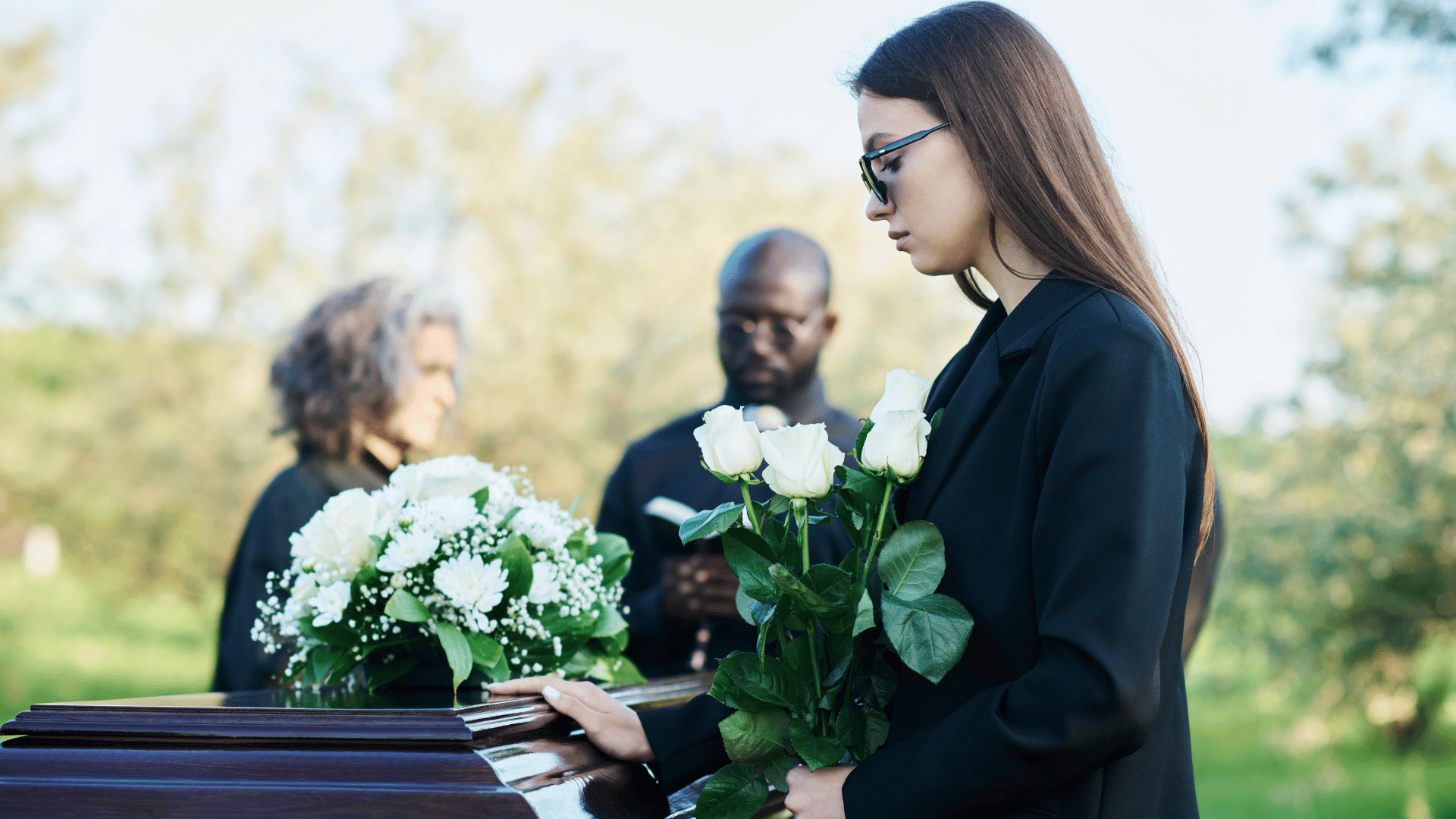
Attending a funeral reception can feel emotionally difficult, especially if you are unsure about etiquette. One of the most common questions people quietly ask beforehand is - What am I actually supposed to bring?
Attending a funeral reception can feel emotionally difficult, especially if you are unsure about etiquette. One of the most common questions people quietly ask beforehand is:
What am I actually supposed to bring?
The honest answer is simpler than many people expect.
In most cases, you do not need to bring anything elaborate to a funeral reception. Your presence, support, and kindness are usually far more important than gifts or formal gestures. However, depending on the family, culture, and type of gathering, there are a few thoughtful things people sometimes bring to show respect and support.
This guide explains what is appropriate to bring to a funeral reception in the UK, what is unnecessary, and how different venues or gathering styles can influence expectations.
First Things First: You Are Not Expected to Arrive With Gifts
Many people worry about turning up empty-handed.
In reality, funeral receptions are not like birthdays, weddings, or social celebrations. Families are not expecting presents, expensive flowers, or formal offerings from guests.
Most families simply appreciate:
- Your attendance
- Your condolences
- Your support
- Your willingness to be there
If you attend respectfully and offer kind words, that is already enough.
This is especially true at larger receptions held in community halls, function venues, or banqueting spaces, where many guests may be attending throughout the day. The atmosphere is usually focused on remembrance and togetherness rather than formal hosting etiquette.
The Most Common Things People Bring
Although nothing is required, there are a few thoughtful gestures that are commonly considered appropriate.
Sympathy Cards
A sympathy card is one of the most traditional and appreciated things you can bring.
It allows you to:
- Share a personal message
- Offer condolences privately
- Express support if you struggle to say things aloud
You do not need to write something lengthy or poetic.
Simple messages are often most meaningful:
- “Thinking of you during this difficult time.”
- “With deepest sympathy.”
- “Sending love and support to your family.”
At many funeral receptions, particularly those held in larger halls or venues, families may place cards on a memory table alongside photographs and flowers.
Flowers: Appropriate or Not?
Flowers are still common at funeral receptions, but they are not always necessary.
Whether flowers are appropriate depends on:
- Family preferences
- Religious customs
- Funeral arrangements already in place
- Venue space
Some families specifically request:
- No flowers
- Donations instead of flowers
- Flowers sent directly to the funeral director
Always check the funeral notice or invitation first.
If flowers are appropriate, smaller arrangements are usually best for receptions. Large displays are typically sent directly to the funeral service rather than brought personally to the reception venue.
For receptions held in homes or smaller halls, oversized arrangements can become difficult to manage practically.
Food: Should You Bring Something?
This depends entirely on the type of gathering.
For Funeral Receptions at Family Homes
In smaller or more informal gatherings, guests sometimes bring:
- Sandwich platters
- Cakes or pastries
- Tea or coffee supplies
- Prepared dishes
This can help reduce pressure on the family, particularly when guests are gathering in a private home after the funeral service.
For Receptions in Halls or Function Venues
Food is usually already arranged professionally or through caterers.
In these settings, guests are generally not expected to bring food unless specifically asked.
Larger venues often have:
- Buffet arrangements
- Catering kitchens
- Serving areas
- Planned meal service
Turning up with unexpected dishes may actually create practical issues for the organisers.
If unsure, it is always acceptable to ask a close family member quietly beforehand.
Donations Instead of Gifts
Many families now request charitable donations in memory of the person who has passed away.
This is extremely common in the UK.
You may see wording such as:
“Family flowers only, please. Donations may be made to...”
In this situation, bringing a donation or contributing online is often more appropriate than flowers or gifts.
Some funeral receptions also include:
- Donation boxes
- Collection points
- QR codes for charity contributions
These are commonly placed near entrances, memory tables, or guest books, particularly in larger reception venues or halls where many attendees are expected.
Memory Items and Photographs
Close friends or family members occasionally bring:
- Printed photographs
- Memory books
- Letters
- Small keepsakes
These are usually personal contributions intended for the family rather than public display.
In receptions held at larger venues, families sometimes create memory tables or tribute areas where photographs and personal items can be arranged respectfully.
However, unless you are very close to the family, this is generally not expected.
What About Bringing Alcohol?
This depends heavily on:
- Family preference
- Religion
- Cultural background
- Venue type
In some receptions, particularly those held in pubs or private function rooms, alcoholic drinks may be served naturally as part of the gathering.
In others, alcohol may be entirely inappropriate.
It is usually best not to bring alcohol unless you know the family well or have been specifically told it is welcome.
What You Really Bring Matters More
People often focus too much on physical items and forget what families actually remember afterwards.
What most grieving families value most is:
- Presence
- Compassion
- Patience
- Conversation
- Support
Sometimes the most meaningful thing you can bring is simply your time.
Funeral receptions are often emotionally exhausting for immediate family members. Guests who quietly help create a calm atmosphere can make a far bigger impact than expensive gestures.
Practical Things That Can Actually Help
If you are close to the family, practical support is often more valuable than traditional gifts.
Helpful gestures may include:
- Helping guests find seating
- Assisting elderly relatives
- Bringing tissues or water
- Helping with transport
- Assisting with setup or clearing tables
- Checking on close family members quietly
In larger venues or halls, these practical details become even more important because receptions may involve many guests moving between seating areas, buffet spaces, and memorial displays.
What Not to Bring
Avoid Overly Expensive Gifts
Funeral receptions are not occasions for large presents or extravagant gestures.
Avoid Bright Celebration Items
Unless specifically requested by the family, avoid:
- Balloons
- Party-style decorations
- Novelty gifts
Avoid Oversized Flower Arrangements
Particularly in smaller venues or homes where space is limited.
Avoid Bringing Extra Guests Unexpectedly
Venue capacity often matters significantly for funeral receptions, especially in private halls or booked function spaces where seating and catering numbers have already been arranged carefully.
Different Venues Create Different Expectations
Family Home Reception
Usually more informal and personal.
Guests may:
- Bring food
- Offer practical help
- Contribute directly to the household
Community Hall or Religious Hall
Often slightly more structured.
Guests typically bring:
- Sympathy cards
- Flowers if appropriate
- Donations
Function Venue or Banqueting Hall
Usually organised professionally.
Guests are generally expected to bring:
- Themselves
- Condolences
- Optional sympathy cards or donations
The more organised the venue setup, the less expectation there usually is for guests to contribute physical items.
If You Are Unsure, Keep It Simple
If you genuinely do not know what to bring, follow this simple rule:
Bring kindness, respectful behaviour, and perhaps a sympathy card.
That is more than enough.
Families rarely remember exactly who brought flowers or food. What they remember is who attended, who offered comfort, and who helped create a calm and supportive atmosphere after the funeral service.
Supporting Families Beyond the Funeral Service
Funeral receptions give people a chance to slow down after the formality of the funeral itself. Whether the gathering takes place in a small family home or a larger reception hall, the purpose remains the same: creating space for remembrance, conversation, and support.
For larger gatherings, flexible venues with comfortable seating, catering access, parking, and adaptable layouts can help families manage the day more smoothly without unnecessary pressure.
Looking for a dry hire venue near London? Explore flexible spaces suitable for funeral receptions, wakes, and memorial gatherings in a respectful and welcoming setting.

Fareed Nabir
Fareed Nabir is the visionary Founder of Crown Banqueting Suite and a respected Event Consultant known for delivering elegant and memorable experiences. With strong expertise in venue management and event planning, he has established Crown as a trusted venue for weddings, corporate events, cultural celebrations, and private functions across London.
View ProfileRecent Posts
What Happens at a Baby Shower? A Full UK...
Oct 08, 2026
What to Wear to a Baby Shower in the UK...
Sep 13, 2026
How Much Does a Wedding Venue Cost in Lo...
Jul 30, 2026
Table of Contents
Comments (0)
No comments yet. Be the first to comment.

Comments (0)
No comments yet. Be the first to comment.